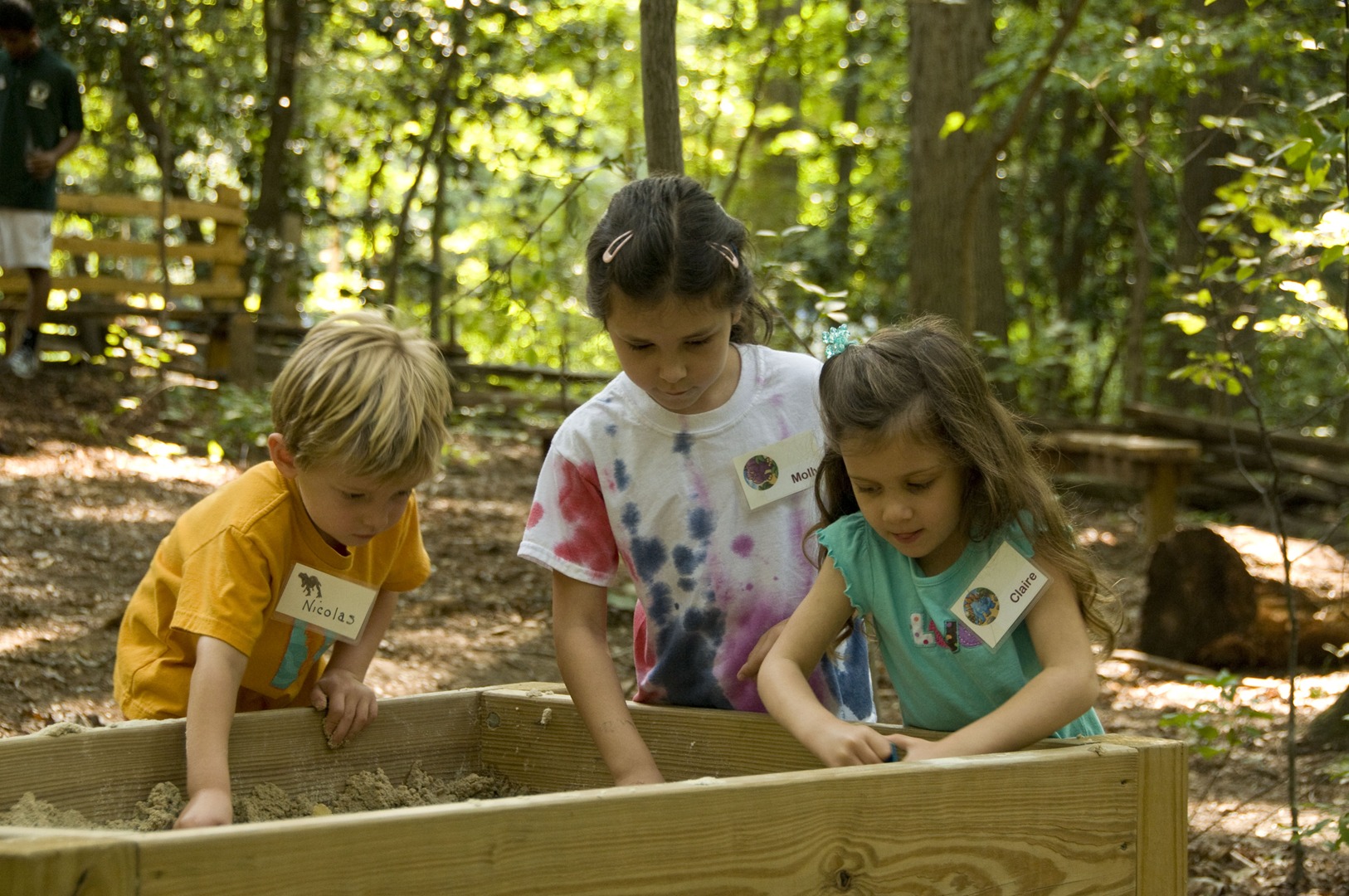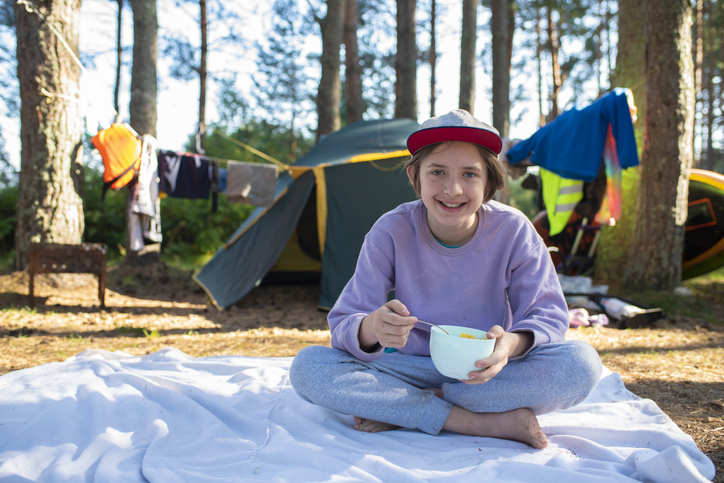


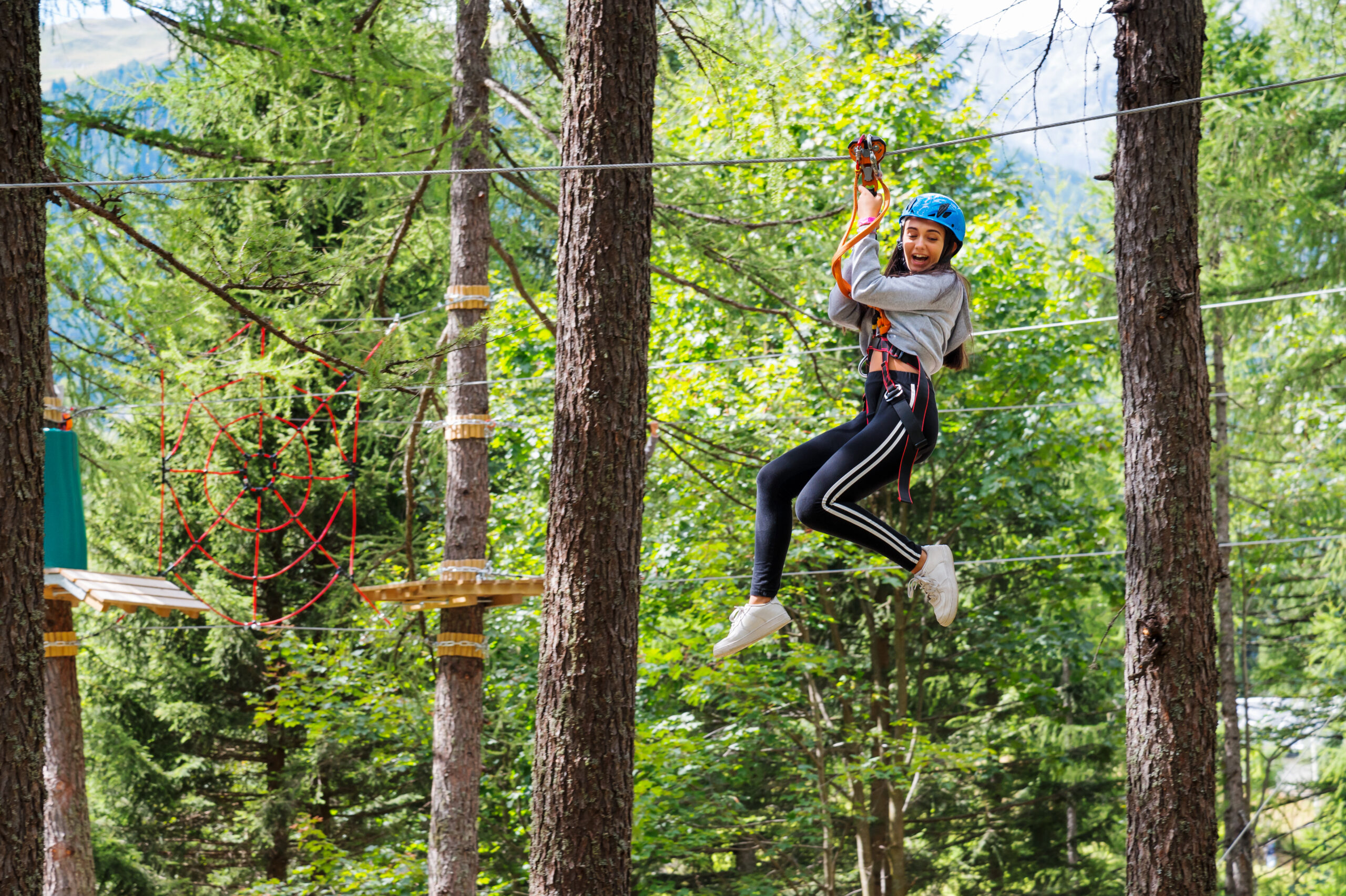
What Science Says About Growth, Confidence, and Well-Being: Summer camp isn’t just a fun break from the school year—it’s an experience that shapes children in ways that classroom learning alone cannot. As parents, we want to make informed choices, and it’s reassuring to know that a growing body of scientific research supports what many families already feel: summer camp helps kids thrive. Below is a research-driven overview of how camps benefit children’s social, emotional, and developmental growth, with citations so you can explore further.
One of the most consistently documented benefits of summer camp is increased confidence. In a landmark study conducted by the American Camp Association (ACA), researchers found that 70% of parents reported their child gained self-confidence at camp, and 92% of campers said camp helped them feel good about themselves (American Camp Association, Youth Development Outcomes Study, 2005).
At camp, kids try new things—archery, climbing walls, theater, water sports—often for the first time. Mastering challenges in a supportive environment builds competence, which directly fuels self-esteem. Developmental psychologists describe this as “mastery experiences,” a core driver of confidence (Bandura, A. 1997. Self-Efficacy: The Exercise of Control).
Summer camp is one of the most powerful environments for developing peer relationships. The ACA’s research found that 96% of campers made new friends, and the majority improved in relationship-building, teamwork, and communication skills (ACA Youth Development Outcomes Study).
Other studies support these findings: Thurber et al. found improved cooperation, empathy, and communication in camp environments (Thurber, C. A., et al., Child and Youth Care Forum, 2007). Development experts also note that camp experiences help kids practice “21st-century skills” like communication, adaptability, and collaboration—skills linked to long-term academic and workplace success (Partnership for 21st Century Skills, 2019).
Being away from home—whether for a day or a week—teaches kids to trust themselves. Studies have shown that camp experiences increase independence, reduce over-reliance on adults, and build decision-making skills (American Camp Association; Thurber & Malinowski, 1999).
A UK review of outdoor learning programs similarly found that time away from home fosters autonomy and self-regulation (Rickinson et al., National Foundation for Educational Research, 2004).
Camps introduce challenges—new routines, outdoor activities, group tasks—that help kids develop coping skills. Research shows that camps promote emotional resilience, persistence, stress-management, and adaptive problem-solving (Thurber & Walton, “Preventing Homesickness,” Pediatrics, 2012).
Adventure-based camps, in particular, significantly increase resilience and cognitive flexibility (Duerden & Gillard, Journal of Outdoor Recreation, 2011).
Given recent concerns about youth well-being, it’s encouraging that camp participation correlates with positive mental health outcomes. A 2020–2021 study found that participation in summer programs, especially nature-based ones, reduced anxiety and improved emotional regulation and positive mood (Bowers et al., Journal of Youth Development, 2021).
Nature exposure itself is strongly linked to reduced cortisol and improved emotional health (Bratman et al., PNAS, 2015).
Summer camp offers a flexible, open-ended learning environment that encourages imagination and exploration. Research shows that unstructured and semi-structured play promotes creativity and problem-solving (Ginsburg, “The Importance of Play,” American Academy of Pediatrics, 2007).
Hands-on STEM, arts, and outdoor experiences also fuel curiosity-driven learning and intrinsic motivation (National Research Council, “Learning Science in Informal Environments,” 2009).
Children tend to become more sedentary in the summer without structured activity. According to the CDC, screen time, sedentary behavior, and physical inactivity rise during school breaks (Centers for Disease Control and Prevention, 2019).
Camp counters this by providing hours of daily movement, outdoor play, and recreation. Studies have shown that campers experience increased physical activity levels and reduced sedentary time (Garst & Browne, Journal of Park & Recreation Administration, 2013).
The long-term benefits of summer camp are among the most compelling. Research shows that campers develop leadership, teamwork, emotional intelligence, and responsibility—skills that persist long after camp ends (ACA Youth Development Outcomes Study; Thurber et al., 2007).
These qualities support long-term academic, social, and even professional success.
Choosing a summer camp is an investment in your child’s growth—and the research clearly shows it’s an investment that pays off. Whether your child attends a sports camp, arts camp, STEM program, or outdoor adventure program, the benefits extend far beyond one summer. Camps help children build confidence, form friendships, grow independent, stay active, and explore their interests in meaningful ways.
You can explore day and overnight options across the state in our Virginia Camp Directory.


Sign up below to join our mailing list!
Your trusted guide to day and overnight camps
VirginiaSummerCamp.com connects families with summer camps and youth programs across Virginia and the Mid-Atlantic. We’re more than a camp directory—our mission is to help parents raise curious, confident, active kids through expert guidance, research-backed insights, and year-round inspiration.
© 2025 VirginiaSummerCamp.com | Zinnia Communications LLC | All Rights Reserved.