

Winter break brings a welcome pause in the calendar—a chance for kids to rest, play, and slow down. But it also brings a familiar challenge: when days are shorter and routines are looser, screens can take over quickly. If you’ve ever looked up mid-break and wondered, “How did we get here?” you’re not alone. Screens are easy, comforting, and everywhere. But winter is also one of the best seasons for parents to gently reset habits, reconnect as a family, and help kids build the independence and confidence that prepare them beautifully for summer camp.
This guide offers simple, realistic ways to help your family enjoy a more screen-light winter—rooted in child development research and designed to support the skills kids need most at camp.
Families don’t need a dramatic overhaul. Often, the simplest changes help the most. Try offering warm, low-pressure alternatives: baking something together, building a puzzle, playing a board game, taking a fun rails-to-trails walk, or reading side-by-side. You might even try some of our Virginia Summer Camp Nature Printables with activities for indoors and outdoors. These moments reduce the “default to screens” pattern that the American Academy of Pediatrics encourages families to be mindful of as they balance digital habits with sleep, activity, and face-to-face interaction.
Kids respond to connection and invitation. When alternatives feel cozy and fun, they’re far more likely to choose them.
Winter is a gentle time to practice the kinds of rhythms that help kids thrive at camp: predictable transitions, a little independence, and a sense of flow to the day. You might build a simple winter rhythm with morning play, afternoon outdoor time, and evening wind-down. These structures support emotional regulation and reduce pushback—skills camps rely on during busy days.
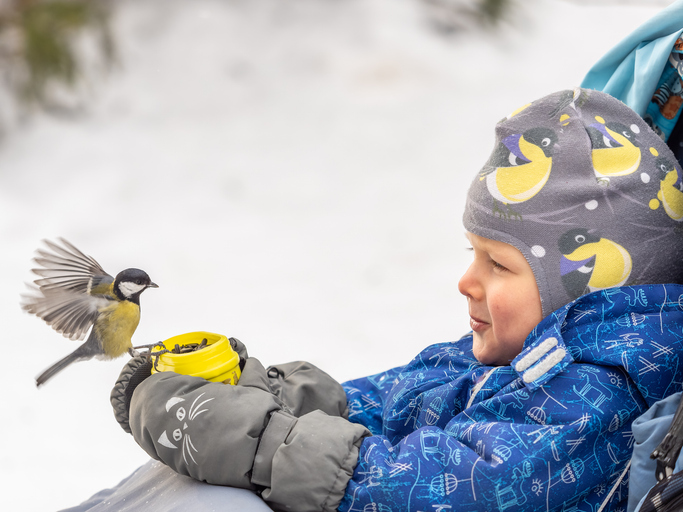
Even on cold days, a few minutes outdoors can change a child’s mood and energy. Kids love collecting pinecones, going on a “winter colors” walk, listening for birds, or playing flashlight tag at dusk. The Centers for Disease Control and Prevention notes that regular physical activity improves mood, attention, and emotional regulation—benefits camps build on all summer long.
CDC physical activity basics.
Fresh air helps reset everyone, even if it’s brief.
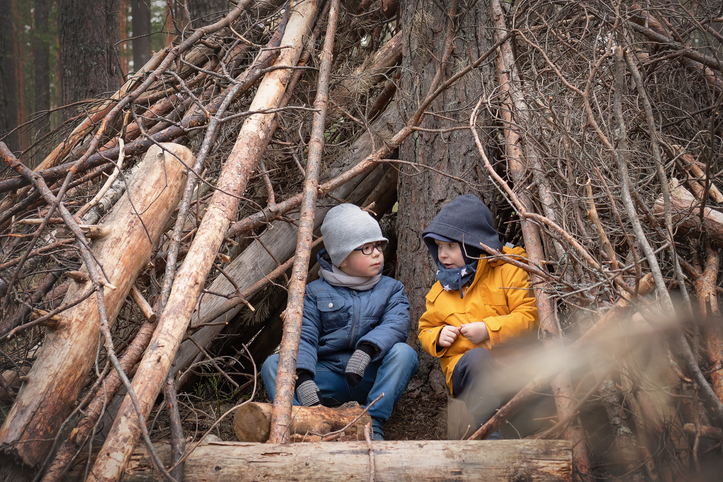
Independent play is one of the most important skills children practice at camp. Winter break is an ideal time to nurture it. Try offering simple, open-ended options: blocks, art supplies, a blanket fort prompt, or a cardboard “inventor’s box.” Instead of directing the play, observe and encourage.
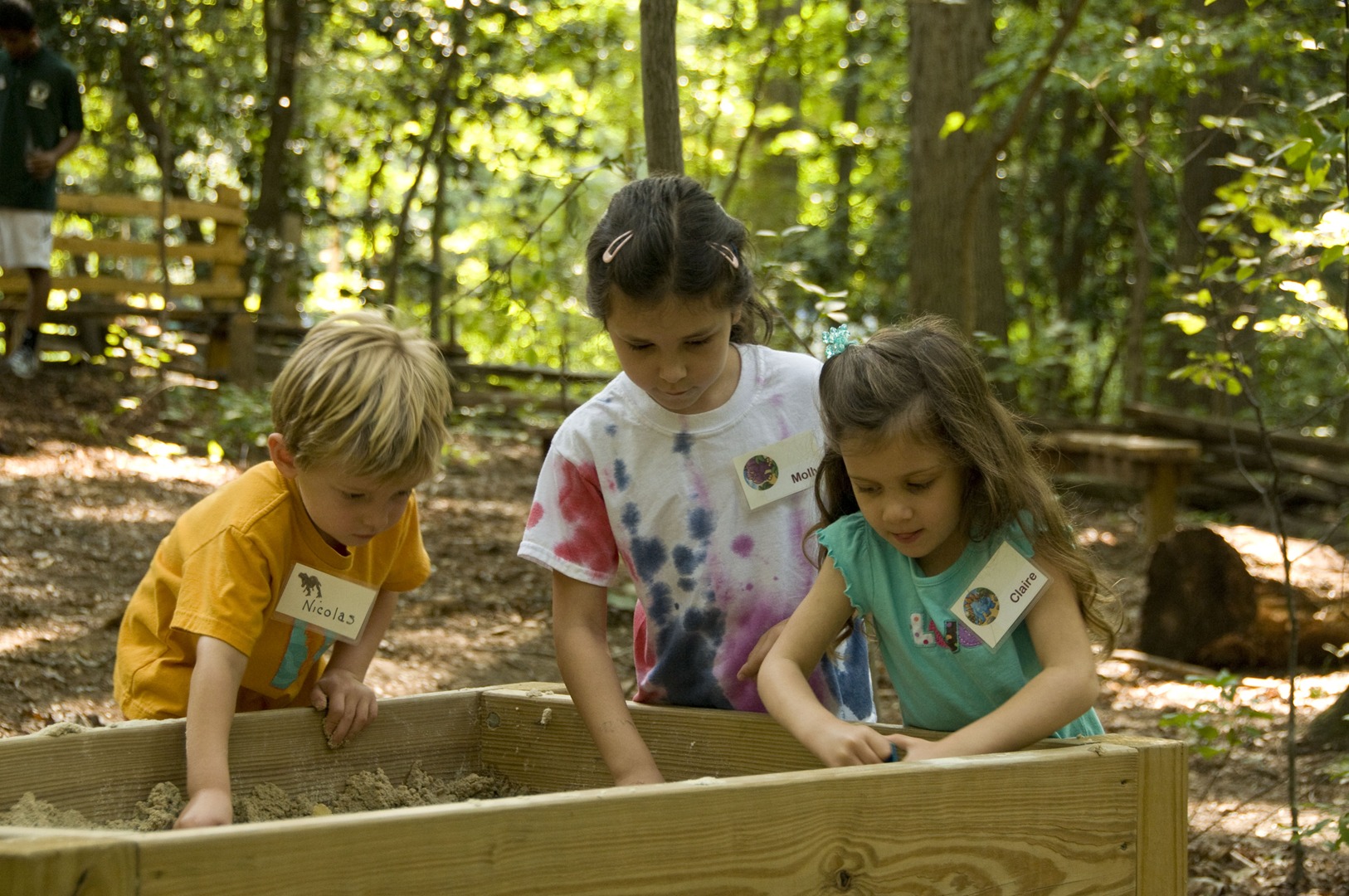
Independent play strengthens problem-solving, creativity, and resilience. The Children & Nature Network highlights research showing that nature-based, self-directed play supports cognitive functioning and stress reduction—exactly the foundation kids need to thrive in outdoor camp environments.
Children & Nature Network research library.
Screens can absolutely be part of a healthy winter. The goal isn’t perfection—it’s balance. If your family watches a movie, make it cozy and shared. If your child loves coding or digital art, engage with them. When screens become intentional choices rather than the automatic fill-in, kids build stronger self-regulation and transition more easily into the unplugged environment of summer camp.
Children are more cooperative when they feel ownership. Ask questions like, “What’s one fun thing you want to do outside this week?” or “What should our family quiet time look like?” Collaborative routines strengthen communication and problem-solving—key skills for success at camp.
Every small shift families make during winter gently prepares kids for the independence, curiosity, and confidence camp encourages. When kids have more chances to play, explore outdoors, help with simple family routines, and try things without instant digital entertainment, they build the flexibility and resilience that make camp experiences easier and more joyful.
A screen-light winter isn’t about restriction. It’s about helping kids reconnect with themselves, with you, and with the world around them. And that sense of connection is one of the most powerful gifts parents can offer—long before backpacks are packed and camp gates open in June.
If your family is beginning to think ahead toward summer, you can start exploring options here:
Overnight Camps in Virginia
Day Camps in Virginia
Search All Summer Camps


At VirginiaSummerCamp.com, our editorial team creates practical, parent-focused resources about camps and youth programs across Virginia. While we occasionally use AI tools to support research and drafting, every piece is checked by a human editor before publication. Our goal is to provide helpful, trustworthy guidance—rooted in real-world experience as parents and educators—while continually improving our processes to reduce errors and offer the most reliable information possible. All articles are reviewed and refined by experienced editors who understand the needs of Virginia families and are committed to accuracy, clarity, and transparency.
We care deeply about raising curious, confident, active kids, and we approach every guide with that purpose in mind.
Sign up below to join our mailing list!
Your trusted guide to day and overnight camps
VirginiaSummerCamp.com connects families with summer camps and youth programs across Virginia and the Mid-Atlantic. We’re more than a camp directory—our mission is to help parents raise curious, confident, active kids through expert guidance, research-backed insights, and year-round inspiration.
© 2025 VirginiaSummerCamp.com | Zinnia Communications LLC | All Rights Reserved.