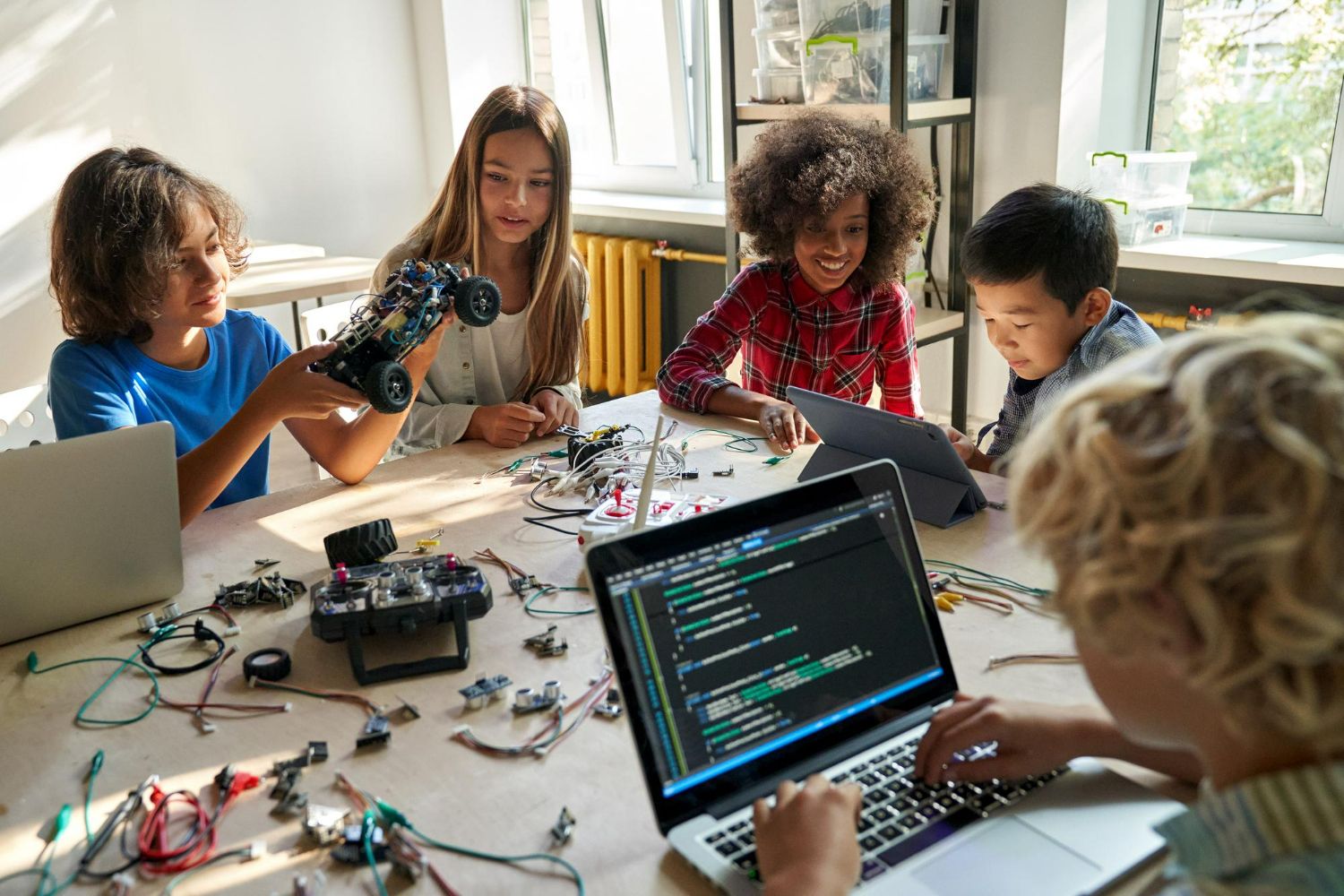
Virginia’s STEM camps give kids the chance to explore creativity, experimentation, robotics, engineering, coding, and science in exciting, hands-on ways. If you’re searching for the best STEM camps in Virginia, this guide will help you understand the options available for 2025 and choose the right program for your child.
If you’re asking, “What are the best STEM camps near me in Virginia?” or “Which coding or robotics program is right for my child?” this overview offers clear, parent-friendly insights drawn from real programs across the Commonwealth.
STEM camps statewide offer opportunities to build confidence through problem-solving, strengthen logical thinking, encourage collaboration, and nurture curiosity. Families can explore a wide range of science, technology, engineering, and math programs to fit every age and interest.
Browse our STEM Camp Listings
STEM camps focus on project-based learning, giving children the chance to experiment, design, build, test, and explore. Activities may include:
• Robotics design and competitions
• Coding and programming projects
• Engineering challenges
• Chemistry and physics labs
• Environmental and life-science explorations
• Digital design, animation, or 3D printing
These hands-on experiences are also reinforced by programs offered through institutions like the Science Museum of Virginia, which hosts summer STEM programs and science labs for kids.
Many STEM camps are led by:
• Certified teachers
• University instructors
• Technology specialists
• Science center educators
• Engineers and trained STEM facilitators
Programs emphasize logical reasoning, creativity, collaboration, and hands-on experimentation. Several of Virginia’s largest universities also offer STEM-focused youth programs, including Virginia Tech, which provides engineering, coding, and science summer experiences:
https://outreach.vt.edu/?utm_source=chatgpt
And UVA’s Emerging Engineers program, which introduces high school students to real engineering labs and design challenges.
Many programs use small-group or station-based rotations, allowing kids to receive personalized attention and build strong mentoring relationships.
Kids explore programming languages, game design, app development, and logic-driven problem-solving in encouraging, beginner-friendly settings.
Camps challenge young engineers to build and test robots using motors, sensors, and coding platforms, often ending with team competitions or challenges.
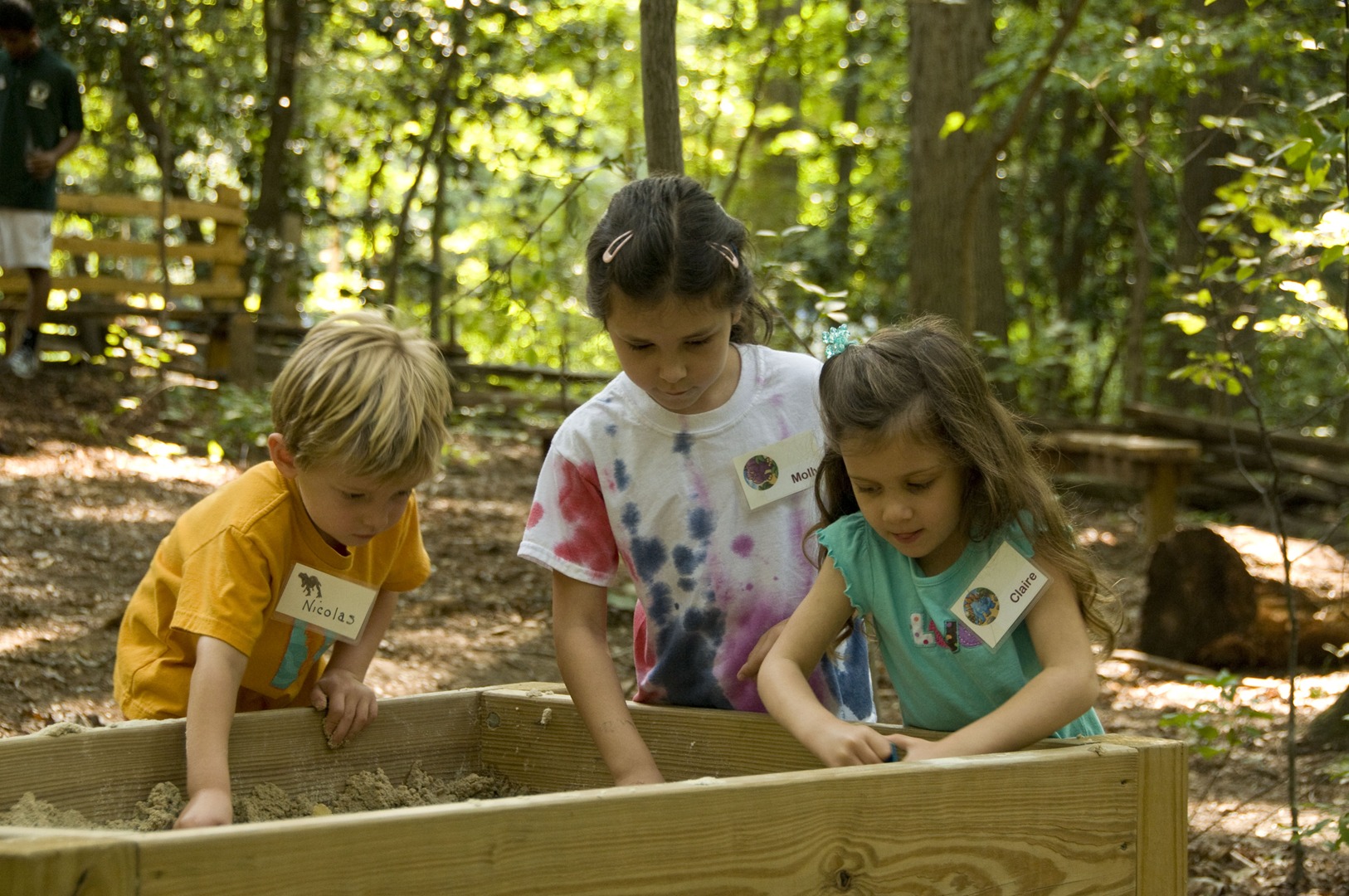
Hands-on experiments and investigations introduce children to chemistry, physics, biology, weather, geology, and environmental science. Everything from a chem lab to a streambed becomes the classroom.
Campers explore digital creativity through animation, video editing, graphic design, 3D modeling, and 3D printing.
Virginia’s mountains, rivers, wetlands, and coastlines provide outstanding opportunities for ecology, environmental science, and conservation programs. You might like to camp prep with some fun nature printables or studying tracks.
For a complete statewide list of STEM programs.
Some children gravitate toward coding or robotics, while others prefer hands-on science labs or outdoor science experiences.
Families may want to look for programs featuring:
• Design and engineering challenges
• Lab experiments
• Coding or robotics tracks
• Collaborative problem-solving
• Field-based science activities
Many families appreciate programs led by licensed teachers, STEM professionals, university faculty, and specialized instructors.
Some camps provide laptops, robotics kits, or lab materials. Others may ask families to send devices or outdoor gear.
STEM camps often reach capacity quickly due to small-group sizes and specialized equipment requirements.
Most programs offer sessions for ages 6–15, with additional tracks for older students or teens.
Most are beginner-friendly and include introductory instruction before moving into advanced projects.
Coding, robotics, and engineering camps are primarily indoors, while environmental science programs may include significant outdoor activities.
Most materials are provided, but some camps may recommend that families bring a laptop, water bottle, or outdoor gear.

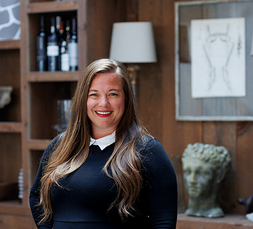
AMANDA DANAHER is a busy mom of five and a contributor to VirginiaSummerCamp.com and CharlottesvilleFamily Magazine. She is passionate about encouraging and supporting other parents through honest, relatable storytelling grounded in real family life.
Amanda focuses her freelance work on Virginia-based parent and family magazines, where she draws on her journalism degree to craft clear, engaging articles that blend practical insight with empathy. Her writing reflects both professional training and lived experience, offering readers thoughtful perspectives on parenting, community, and everyday moments that matter.
Outside of work, Amanda enjoys exploring Virginia’s trails, parks, and family-friendly attractions—often with her children in tow—fueling her appreciation for outdoor adventure, local discovery, and shared family experiences.
Sign up below to join our mailing list!
Your trusted guide to day and overnight camps
VirginiaSummerCamp.com connects families with summer camps and youth programs across Virginia and the Mid-Atlantic. We’re more than a camp directory—our mission is to help parents raise curious, confident, active kids through expert guidance, research-backed insights, and year-round inspiration.
© 2025 VirginiaSummerCamp.com | Zinnia Communications LLC | All Rights Reserved.