
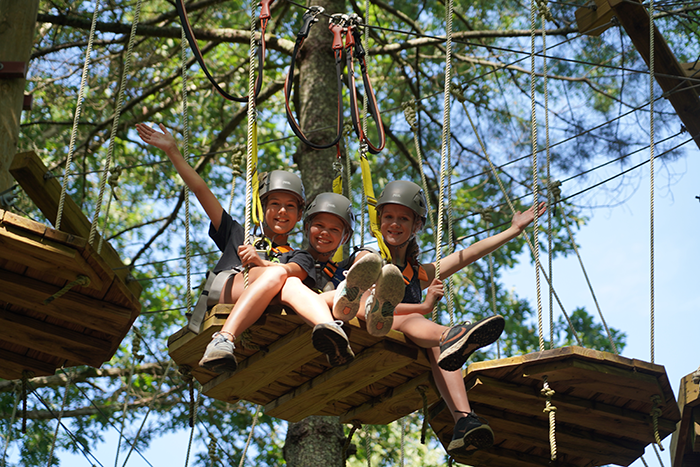
Summer camp is woven into the fabric of Virginia childhood. From the Blue Ridge Mountains to the Chesapeake Bay, thousands of children spend their summers learning new skills, making lifelong friends, and gaining independence at camps across the Commonwealth.
But just how significant is summer camp to Virginia families—and to Virginia’s economy?
We compiled the latest Virginia summer camp data on enrollment, costs, employment, and economic impact to give parents, camp directors, and policymakers a comprehensive look at Virginia’s summer camp landscape in 2026.
According to the American Camp Association (ACA), more than 26 million children and adults participate in camp experiences annually across the United States. However, only 12% of American children attend summer camp each year—representing significant untapped potential for the industry.
Virginia has approximately 1.9 million children ages 5-18 (U.S. Census Bureau, 2023).
If Virginia matches national averages:
Camp type breakdown (national averages applied to Virginia):
Note: These are estimates based on national participation rates. Virginia may have higher participation rates due to above-average household incomes (particularly in Northern Virginia), strong camp infrastructure and tradition, and proximity to outdoor recreation (mountains, rivers, coastline).
By Gender:
By Household Income:
Virginia’s median household income is $87,249 (2023), significantly higher than the national average—suggesting Virginia may have above-average camp participation rates, particularly in affluent areas like Northern Virginia, Charlottesville, and Richmond suburbs.
Special Needs Inclusion:
Camp costs vary widely based on type, location, duration, and specialization. Here’s what Virginia families can expect to pay:
General Day Camps:
Specialty Day Camps (STEM, sports, arts):
Northern Virginia day camps tend to cost 15-25% more than state averages due to higher operating costs and household incomes.
Traditional Residential Camps:
Specialty Overnight Camps (equestrian, adventure, academic):
According to recent surveys:
Virginia families use these strategies to make camp affordable:
46% of parents report difficulty affording summer camp—highlighting a significant barrier to access despite proven developmental benefits.
The U.S. summer camp industry generates:
Virginia’s share of the national camp market (estimated):
This estimate is conservative and may be higher due to Virginia’s higher household incomes, strong tourism and outdoor recreation sectors, and concentration of specialty camps (equestrian, military, academic).
Average annual operating budget for a camp: $750,000 – $1 million
This includes:
Summer camps support Virginia’s economy beyond direct revenue:
Local Business Impact:
Tourism & Real Estate:
Workforce Development:
1.5 million people work at summer camps nationwide each year, making it one of the largest seasonal employment sectors.
Based on Virginia’s share of national population and camp infrastructure:
Estimated Virginia summer camp employment: ~39,000 seasonal positions annually
Job categories:
Camp Counselors:
Demographics:
Camp jobs provide valuable experience:
Approximately 80% of camps report same or higher enrollment compared to previous years. Families increasingly value in-person, outdoor experiences after pandemic isolation, and demand for day camps remains particularly strong.
Despite proven benefits, nearly half of parents struggle to afford camp. Scholarship programs and sliding-scale fees are expanding, and BNPL payment options are increasingly common.
STEM, coding, and robotics camps are expanding rapidly. Sports-specific camps remain popular, and academic enrichment camps serve families concerned about summer learning loss.
More camps are serving children with special needs. Gender-inclusive policies are expanding (26% of camps serve transgender youth), and scholarships targeting underserved communities are increasing.
Most popular session length is 1 week or less, which accommodates working parents and budget constraints. Traditional 4-8 week sleepaway camps still exist but serve a smaller market. Flexible scheduling is increasingly important.
Staffing Shortages:
Rising Operating Costs:
Changing Family Dynamics:
Access Matters: With only 12% of children attending camp nationally, many Virginia families miss out on proven developmental benefits. Camp attendance is linked to increased independence, confidence, and resilience; improved social skills and friendship-building; greater appreciation for nature and outdoor activity; and leadership and teamwork development.
Cost Planning: Start budgeting early and explore scholarship opportunities (available at 70%+ of camps), early-bird discounts (save 10-15%), Dependent Care FSAs (up to $5,000 pre-tax), and payment plans.
Camp Types: Virginia offers incredible diversity—from traditional Blue Ridge Mountain overnight camps to Northern Virginia STEM day programs to Tidewater adventure camps. Match camp type to your child’s interests and your family’s budget.
Market Opportunity: 88% of Virginia’s school-age children do NOT attend camp—representing significant growth potential.
Financial Accessibility: Consider expanding scholarship programs, sliding-scale fees, and payment plans to reach underserved markets.
Employment: Invest in staff recruitment, training, and retention. Quality staff = quality experience = repeat campers and referrals.
Marketing: Emphasize long-term developmental benefits beyond “summer fun”—parents need to understand the value proposition.
This report compiles camp data from the American Camp Association (ACA) national statistics, U.S. Census Bureau population and income data, Virginia Department of Education enrollment statistics, UVA Weldon Cooper Center demographic data, camp industry surveys and reports, and Virginia employment and economic data.
Virginia-specific estimates are calculated by applying national participation rates and industry benchmarks to Virginia’s population, adjusted for the state’s above-average household income and strong camp infrastructure.
Note: Comprehensive Virginia-specific camp enrollment data is not centrally collected. These estimates provide the best available picture of Virginia’s camp landscape based on reliable national data and state demographic information.
VirginiaSummerCamp.com features 200+ day camps, overnight camps, and specialty programs across Virginia and the Mid-Atlantic region. Search by age, location, interest, and budget to find the perfect camp for your child.
Download free packing lists, parent survival guides, camp countdown calendars, and questions to ask before choosing a camp.
Subscribe to our newsletter for camp spotlights, packing tips, and family activity ideas.


Sign up below to join our mailing list!
Your trusted guide to day and overnight camps
VirginiaSummerCamp.com connects families with summer camps and youth programs across Virginia and the Mid-Atlantic. We’re more than a camp directory—our mission is to help parents raise curious, confident, active kids through expert guidance, research-backed insights, and year-round inspiration.
© 2026 VirginiaSummerCamp.com | © 2026 Zinnia Communications LLC | All Rights Reserved.