
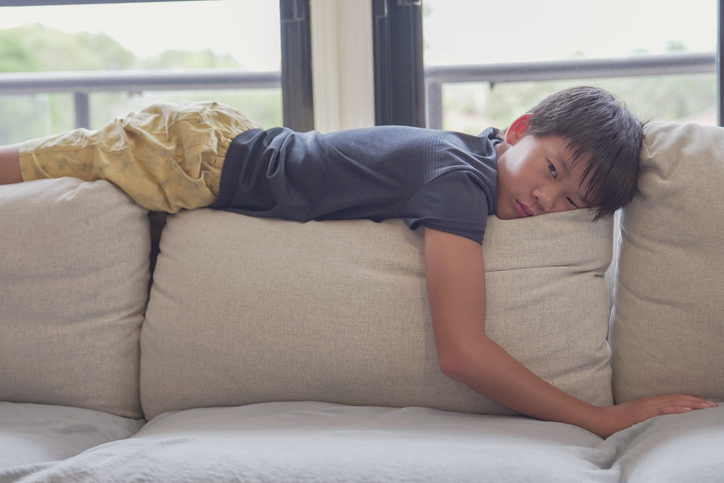
When kids say “I’m bored,” parents often feel pressure to fix it. But research shows that boredom isn’t a problem to solve—it’s a chance for creativity, curiosity, and independence to grow. Here’s what science says about why unstructured time is good for children and how it builds the same skills they rely on at summer camp.
Modern childhood moves fast. Scheduled activities, digital entertainment, and adult-directed routines leave little space for the slow, open-ended moments that help kids develop creativity and resilience. Yet a growing body of research shows that boredom—real, unscripted downtime—plays an essential role in healthy development.
Parenting Translator’s article on “What Helps Kids Develop Creativity?” highlights how unstructured time, reduced screens, autonomy, and open-ended play nurture imagination. When we look at this research through a broader lens, a clear message emerges: boredom is not an inconvenience but a powerful developmental opportunity.
Here is a warm, evidence-based guide to why kids need boredom, how parents can embrace it, and how it strengthens the skills children use at summer camp.
Research summarized by Parenting Translator shows that unstructured play is one of the strongest predictors of creativity in children. When kids are not entertained by adults or screens, their brains shift into “generative mode,” making new connections and ideas.
Key findings include:
• Open-ended play promotes flexible thinking and problem-solving.
• Children generate more imaginative ideas when given time without structured activity.
• Autonomy supports intrinsic motivation and self-directed learning.
• Reducing screen time increases creative play and curiosity.
The article highlights that children become more creative when they have:
• time to explore
• freedom from constant adult direction
• access to simple materials
• space for their minds to wander
• real opportunities for self-direction
This aligns with broader research from the Harvard Center on the Developing Child showing that executive function—an essential component of creativity—strengthens through unstructured, child-led activity.
Additional research from the Children & Nature Network shows that nature-based free play increases creativity, emotional regulation, and social problem-solving.
Boredom creates the mental “space” children need to imagine, explore, and follow their curiosity. When nothing is handed to them, kids learn to generate their own fun—and that’s where creativity grows.
Boredom teaches children to rely on themselves. Instead of turning to adults for entertainment, kids begin to build internal resources: imagination, resilience, and the confidence to start something new.
Developmental research indicates that boredom supports:
• self-regulation
• persistence
• frustration tolerance
• flexible thinking
• problem-solving
• initiative-taking
These are the same traits psychologists associate with long-term independence.
When kids learn how to navigate “What do I do now?” moments, they grow more capable of handling the small, daily responsibilities they’ll face in shared spaces at camp—keeping track of belongings, entertaining themselves, or joining group activities.
Children who experience regular downtime tend to become better at managing big feelings. In an overscheduled or screen-heavy environment, kids rarely sit with their emotions long enough to process them.
The American Academy of Pediatrics notes that balanced routines—including sleep, movement, face-to-face interaction, and screen moderation—support emotional health.
Boredom offers children a chance to:
• slow down
• reset
• identify internal feelings
• practice calming strategies
• transition from one activity to another
This emotional regulation is one of the most important predictors of camp readiness.
Nature is one of the best places for healthy boredom to thrive. Without screens or structured tasks, children naturally explore, imagine, and create.
Research shows that unstructured outdoor play strengthens:
• creativity and divergent thinking
• attention restoration
• emotional regulation
• cooperation and social skills
• curiosity-driven learning
Even brief outdoor time boosts creativity and reduces stress.
Camp is a natural extension of the developmental benefits of nature-based boredom. Unstructured outdoor time is where imagination, teamwork, and confidence flourish.
Explore camps that nurture creativity and curiosity:
Day Camps
Overnight Camps
Adventure Camps
STEM Camps
All Camps
Boredom can feel uncomfortable at first—especially if children are used to constant stimulation. But with gentle encouragement, it becomes a powerful part of family life.
Art supplies, cardboard boxes, books, blocks, old costumes, sticks and stones outdoors.
When kids say, “I’m bored,” respond with curiosity:
“What do you think you could try?”
Include open-ended items that spark imagination.
Screen-light rhythms (morning play, afternoon outside, evening calm) support creativity.
“It’s okay to feel bored sometimes. That’s when our brains get their best ideas.”
A yard, a patch of woods, or a neighborhood walk can inspire more creativity than any toy.
Camp life is full of built-in opportunities for creative boredom—moments where kids are free to imagine, invent games, explore, and collaborate with peers.
This is where they learn to:
• solve problems independently
• join social groups
• try new activities
• invent new games
• explore nature
• follow curiosity
• build friendships
Children who have practiced healthy boredom at home often adapt more easily to the unplugged, imaginative world of camp.
Boredom offers children something rare: the freedom to explore their inner world, follow their ideas, and build independence. It strengthens creativity, emotional regulation, resilience, and confidence—skills they carry into school, friendships, and summer camp.
When families treat boredom as an opportunity, not an emergency, children learn to trust themselves. And that trust is one of the greatest gifts we can give them.
Republished and adapted with permission from Parenting Translator.
Original article: “What Helps Kids Develop Creativity?”


Sign up below to join our mailing list!
Your trusted guide to day and overnight camps
VirginiaSummerCamp.com connects families with summer camps and youth programs across Virginia and the Mid-Atlantic. We’re more than a camp directory—our mission is to help parents raise curious, confident, active kids through expert guidance, research-backed insights, and year-round inspiration.
© 2026 VirginiaSummerCamp.com | © 2026 Zinnia Communications LLC | All Rights Reserved.